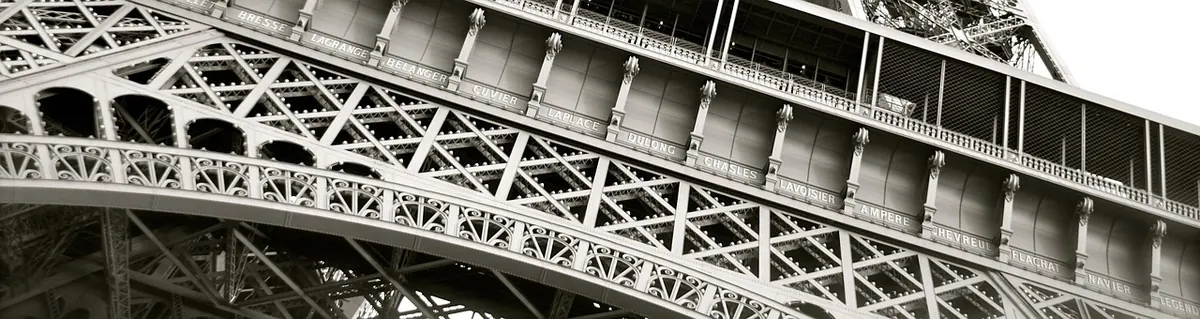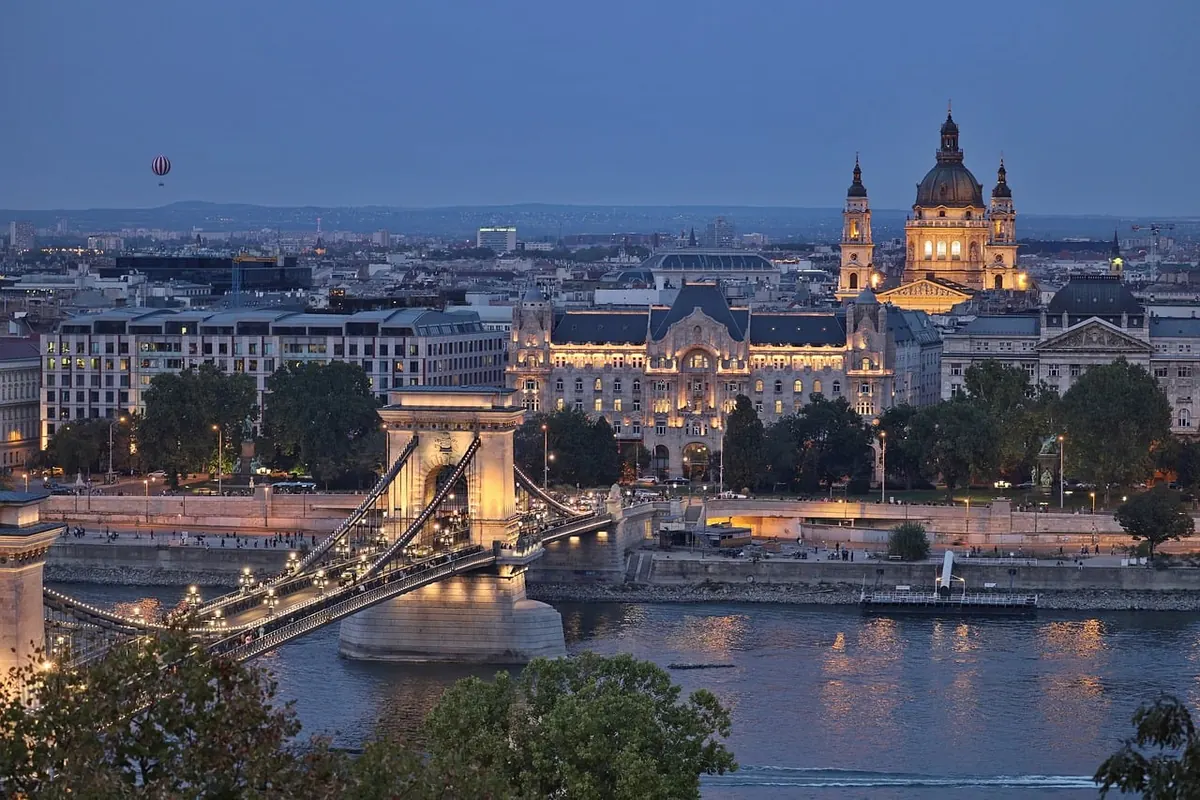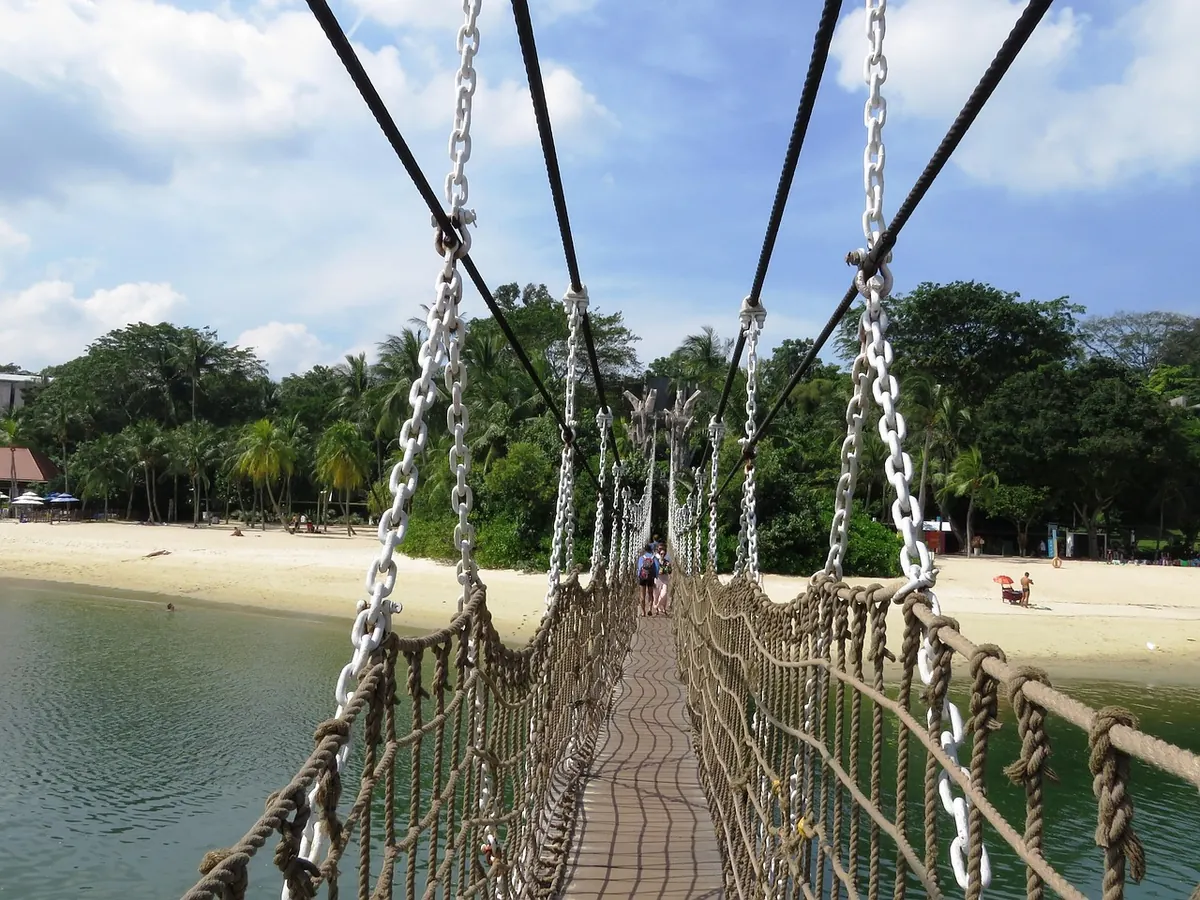
A bridge trip to an island is a plan built on small variables: the light, the wind, the queue for the ferry, the hour when the tour buses arrive. Summer and shoulder season each solve some of those variables and create others. The right choice is less about a calendar and more about the kind of bridge visit you want: a swim-and-photo day, a quiet walk with a tripod, or a family outing with minimal waiting. Here is how the two seasons compare.
Weather and Walking Comfort
Summer gives you long days and dependable dry spells in many island regions, which makes it easier to walk a bridge early, swim in the afternoon, and still have light for a second crossing after dinner. The catch is heat. Stone, concrete and steel can throw warmth back at you, and a bridge with no shade can feel hotter than the village square. Start before the main heat, carry more water than you think you need, and plan a real break at midday rather than a quick café stop. If you have a health condition affected by heat, take advice from a qualified professional before planning long exposed walks.
Shoulder season is cooler and more changeable. You may get soft grey light, a stiff breeze and a bridge almost to yourself, followed by a shower that sends you into the nearest bar. Wind on an exposed crossing can make a mild day feel cold, especially on a long footbridge over a tidal channel. Pack a light waterproof layer, wear shoes with grip for wet decks and worn stone, and treat the forecast as a guide rather than a promise. The trade is simple: less heat, more weather.
Crowds, Opening Hours and Access
In summer, the bridge you came for may be the bridge everyone came for. Tour groups cluster at the classic viewpoint, narrow pavements fill with people taking the same photograph, and a tripod can become an obstacle. Go early or late, and expect the middle of the day to be busy. Shoulder season usually brings quieter weekdays, but it also brings reduced opening hours, maintenance work and the odd closed café. A bridge that is open all summer may have limited access in October, and a path that is obvious in peak season may be signed differently out of season.
Before you build a day around one crossing, check three things:
- Whether the bridge is open to pedestrians and whether any repair work is scheduled.
- Whether the approach path, stairs or lift has seasonal hours.
- Whether the nearest toilets, shops and transport stops are still operating.
If a bridge is the centrepiece of your trip, have a second crossing or a nearby village walk as a backup. That way a closure becomes a detour, not a lost day.
Ferry Schedules and Island Logistics
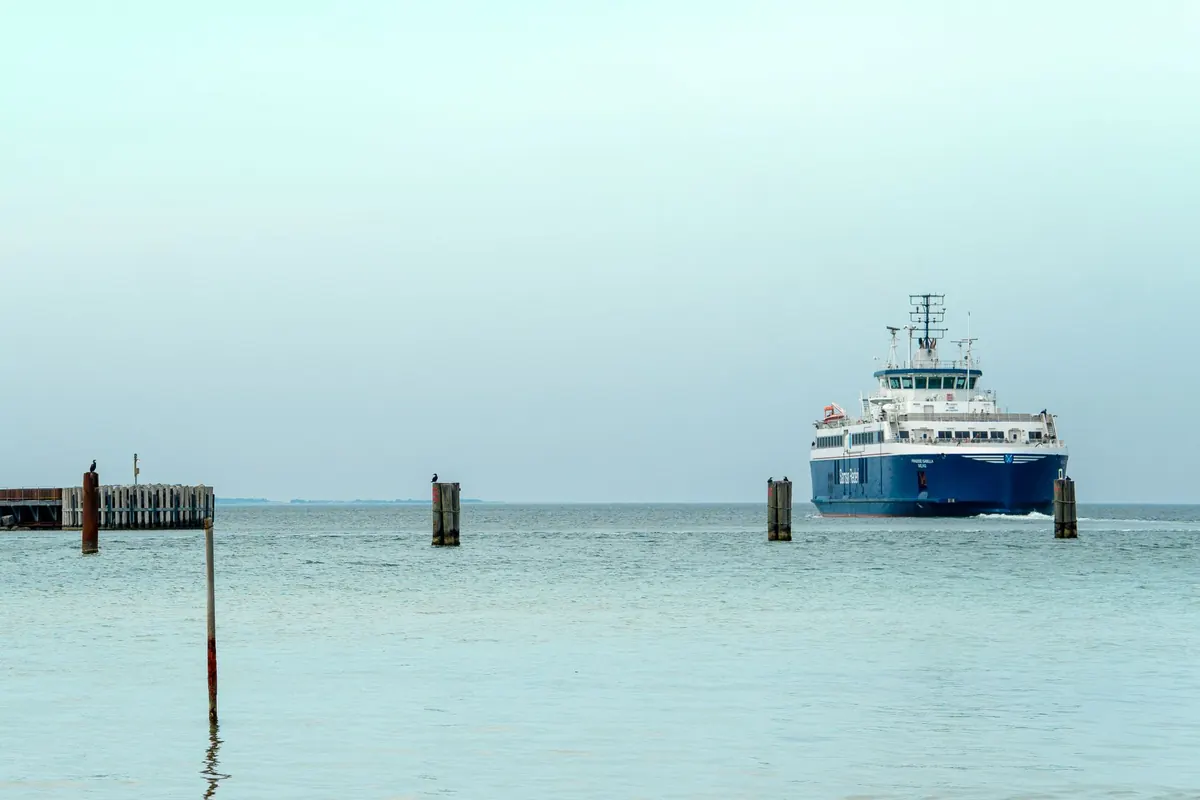
Summer ferries are usually more frequent, with earlier first crossings and later returns. That flexibility matters if you want to combine several bridges in one day or stay out for evening light. It also means more people competing for space, especially for vehicles. Book ahead where booking is offered, arrive with margin, and do not treat the timetable as a suggestion. Shoulder season is where logistics need more attention. A crossing that runs often in August may run less often in October, and the last return can come earlier than you expect. Wind can also cancel smaller crossings at short notice.
- Check the operator’s timetable close to your travel date, not only when you book.
- Screenshot the last return and the first morning crossing.
- Ask whether your ticket is for foot passengers or vehicles; the two can have different rules.
- Keep a backup island or mainland plan for days when the water is too rough.
Shoulder season rewards travellers who are flexible. If your whole trip depends on one ferry and one bridge, summer’s denser schedule is the safer bet. If you can stay an extra night or change plans without stress, the quieter season is easier to enjoy.
Photography Conditions
Summer light is long and strong. Golden hour arrives late, blue hour lingers, and you can photograph a bridge in warm light after a late dinner. The same light can be harsh at midday, with high contrast and heat haze softening distant details. Carry a polariser for water and sky, use early and late hours for the main shots, and scout your angles in the afternoon so you are not searching for them when the light turns. Crowds are part of the picture too: expect people in the frame unless you work early or use a longer exposure to blur movement.
Shoulder season often gives you lower sun angles, softer light and more cloud texture. Fewer people means cleaner compositions and more patience for a tripod. The compromise is shorter days and more rain. Check sunrise and sunset times, keep a rain cover in your bag, and use wet weather for detail shots: wet stone, reflections, chains, rivets and the bridge’s shadow on the water. If you want the classic wide view without a crowd, shoulder season is usually the easier assignment.
Matching the Season to Your Bridge List
The best season depends on what kind of bridge trip you are planning. A famous bridge with coach groups and a busy viewpoint is more pleasant in shoulder season. A remote footbridge that depends on a small ferry is easier in summer, when crossings are more frequent. Photographers who want soft light and empty decks should lean towards shoulder season; families tied to school holidays should book summer but plan around the middle of the day. Walkers who dislike heat will find shoulder season kinder, while swimmers and boat-based bridge visits usually prefer summer’s warmer water and longer days.
- Choose summer if reliable ferries, long evenings and warm water matter more than crowds.
- Choose shoulder season if quiet crossings, softer light and cooler walking matter more than a fixed timetable.
- Choose either if you can travel midweek, start early and keep one flexible day for weather.
A Simple Way to Decide
Ask yourself three questions. How much heat and crowd can I happily handle? How dependent am I on a frequent ferry? What light do I want for the bridge photographs? If the answers point to long days and simple logistics, go in summer and book the key crossings early. If they point to quiet decks and soft light, go in shoulder season and build in slack for reduced timetables and rain. Either way, check current access and ferry information before you travel, pack layers, carry water, and leave room for the unplanned crossing that often becomes the best part of an island bridge trip.
Photo: Arulonline / Pixabay