Ponti Dell'Isola is named for its crossings, and that is the best clue to how you should move around it. The districts sit on opposite banks of narrow channels, joined by spans that range from a worn stone arch to a steel footbridge with a long staircase at each end. Bring a car and you will spend the day circling for parking near the two road bridges. Leave it behind and the island opens up: two ferry landings, one slow bus, a walkable spine of bridges, and a flat coastal road that suits bicycles. Here is how to link all of it.
Start at the water: ferries and landings
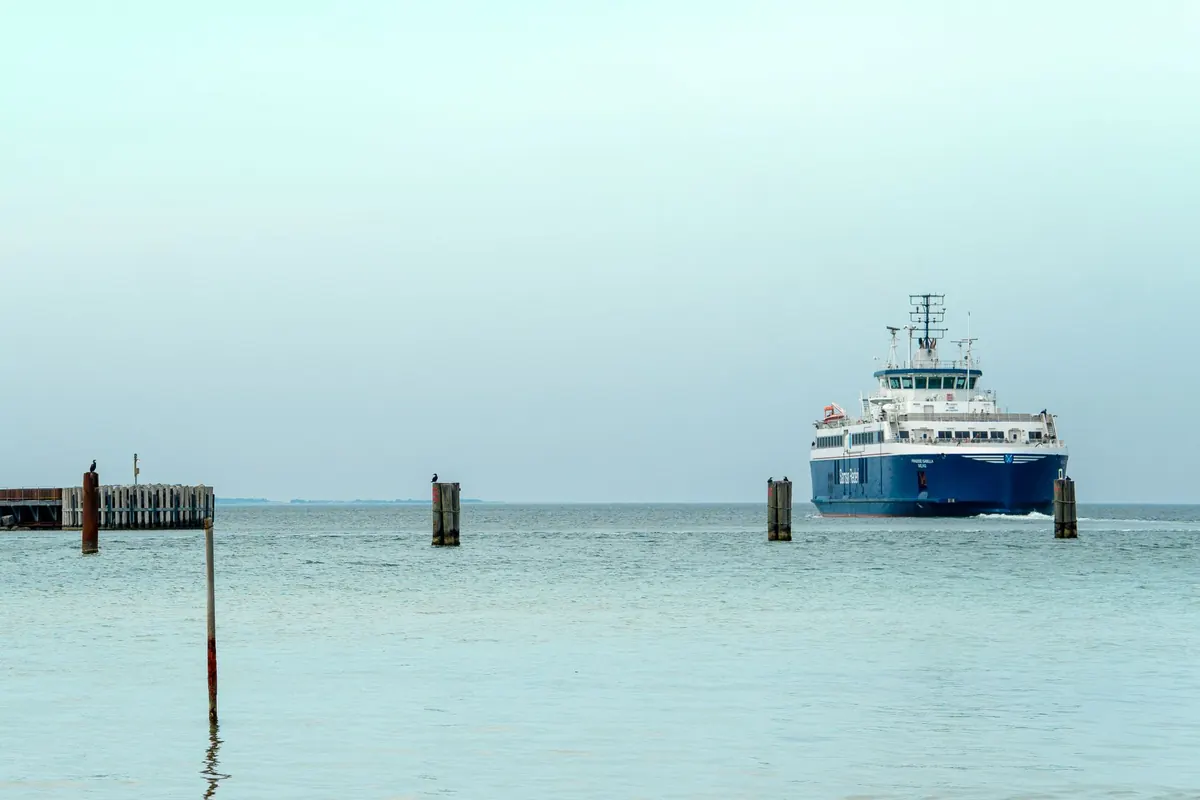
Almost every car-free visit begins at one of the two ferry landings. The northern one sits at Marina Vecchia, where the faster passenger boats come in; the southern one is tucked below Ponte Antico, a short climb up a stepped lane. These two points anchor the island's public transport, and nearly every route in this guide starts or ends at one of them.
Foot passengers board first, which matters on busy afternoon crossings. Cyclists are usually loaded after the walkers, and bike space per sailing is limited, so if you are travelling with a bicycle, aim for the earlier boat rather than the last one before the lunchtime lull. Buy a return at the ticket kiosk instead of assuming you can pay on board; some boats have a card reader, others still work in cash only.
Schedules shift with the season, and the first and last crossings are the ones that move most. Photograph the timetable pinned up at the landing on your first morning. It saves a walk back later, and it tells you honestly how much time you really have on the far side of the island.
The loop bus: slow, cheap, and worth learning
One route does most of the mechanical work here. It runs from Marina Vecchia through Ponte Lungo and Ponte Nuovo, turns at Ponte Rotto, and comes back along the southern waterfront. It is not fast. It waits for passengers, it takes the long way around the market square, and on summer afternoons it fills up. It is also the only vehicle link between the two landings.
Tickets come from the newsstand by the northern landing or the bar near the southern one. Validate on boarding. Drivers generally do not sell tickets, and inspectors do ride the route.
When the bus earns its place
Take it for the long southern stretch if you are carrying luggage, for the steady climb up to Ponte Nuovo, and for any journey after dark, when the footbridges are lit but their staircases are not.
When to skip it
Between Ponte Antico and Ponte Lungo, the walk is shorter than the wait for the next bus and far more interesting. The same goes for the two stops around Marina Vecchia, where the loop doubles back on itself and you can beat it on foot without trying.
Walking the bridge spine
Four crossings form a rough line from the southern landing to the northern one, and walking them in order is the best half-day on the island. Allow a morning, carry water, and do not rush the middle section.
- South landing to Ponte Antico. Climb the stepped lane, then cross the old stone arch at an unhurried pace. The parapet is low and the surface uneven in places, so keep an eye on your footing rather than your camera.
- Ponte Antico to Ponte Lungo. Follow the waterfront path past the boatyards. This is the quietest stretch of the route and the one most visitors miss entirely.
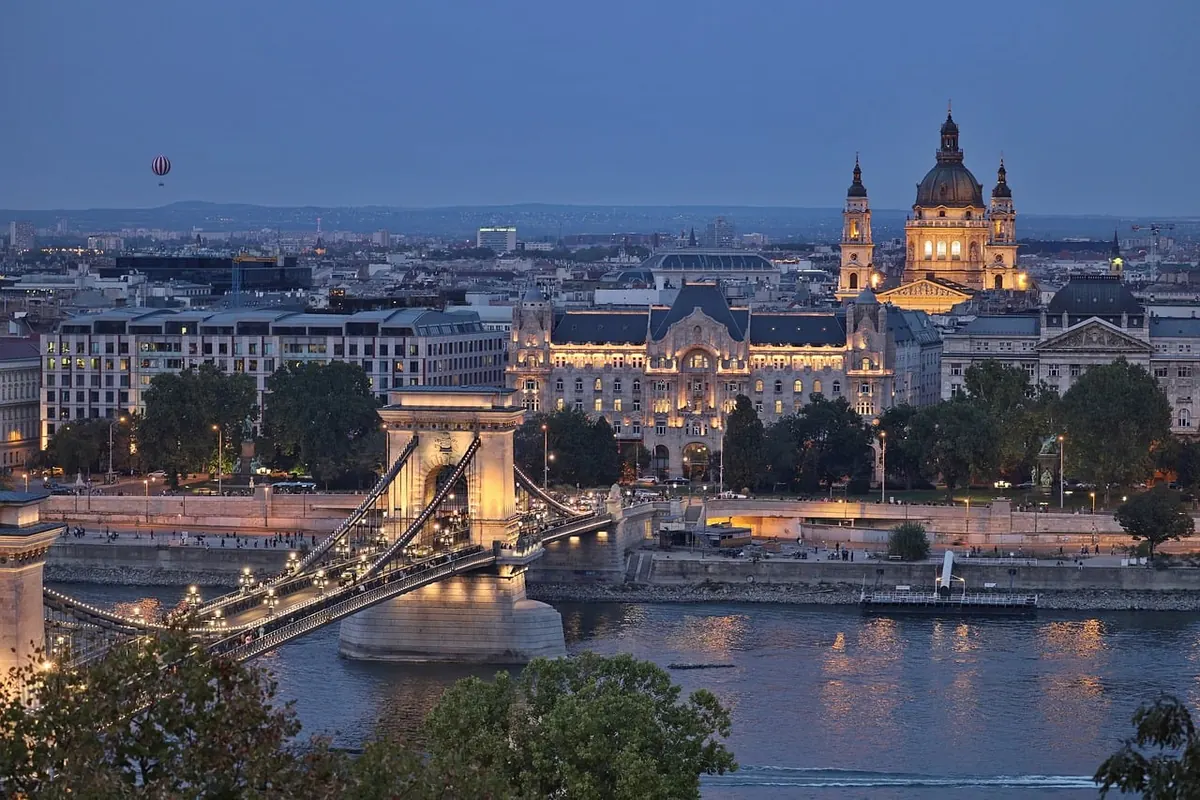
- Ponte Lungo to Ponte Rotto. The long steel footbridge, with stairs at each end and a broad central span. Cross it once in each direction if you can: the view back toward the old town is a different picture from the other side.
- Ponte Rotto to Ponte Nuovo. The unfinished span, now a viewing platform rather than a crossing. It is a dead end, and worth the detour anyway.
- Ponte Nuovo to Marina Vecchia. Finish with the climb through the newer district and down to the northern landing for the ferry or the bus.
Check locally before you set out. Bridges close for maintenance, sometimes at short notice, and a closure on the middle span means a detour inland rather than a quick step across.
Bridges funnel wind. What feels like a light breeze in a square can be a steady push on an exposed span, so hold on to your hat, keep your bike close, and give people coming the other way room.
Bikes: the flat island, with a caveat
The coastal road that circles the island is genuinely flat, and a bicycle turns the outlying districts into an easy afternoon rather than a long trudge. Rentals cluster near the northern landing, and most shops will hold a bike for you if you ask the day before.
The caveat is the bridges themselves. Three of the four crossings involve steps, so you will be pushing rather than riding, and the staircases are narrow enough that two people with loaded bikes cannot pass comfortably. Plan your loop so that the stair bridges come early and the flat coastal road carries you home.
Ride with a light load and a working light. Paths are shared with walkers, and after rain the stone surfaces near Ponte Antico stay slick for hours.
A two-day route that links all four districts
If you have two nights, this sequence keeps travel time short and gives each district a proper half-day.
- Day one, morning: ferry into the northern landing, bus to Ponte Rotto, then walk back across the spine in reverse as far as Ponte Antico.
- Day one, afternoon: the old town and the waterfront below the stone arch, on foot. No transport needed.
- Day two, morning: collect a bike near Marina Vecchia and ride the coastal road to Ponte Nuovo, pushing over the stair bridge on the way out.
- Day two, afternoon: return the bike, take the loop bus to the southern landing, and finish with the ferry crossing as the light drops.
Practical notes before you go
Carry more water than you think you need, especially if you are walking the spine in the middle of the day; shade on the crossings is limited and the stone throws heat back at you. Wear shoes with grip rather than smooth soles. The stepped lanes between the landings are the kind of surface that punishes sandals.
Keep a little cash for kiosks, small bars and the odd ferry that has not caught up with card payments. Check the last return sailing on the morning you travel, not in the evening when your options have narrowed. If you have mobility concerns, ask at the landing about step-free access before committing to a route: the two road bridges are the only crossings without stairs, and they sit away from the main walking line.
Finally, arrange travel insurance that covers medical costs away from home, and read what it actually includes rather than assuming. It is dull preparation for a good trip, and worth the twenty minutes.
The rest is easy. Leave the car on the mainland, learn one bus timetable, and let the bridges do the work of showing you the island.
Photo: Tha Dah Baw / Pexels