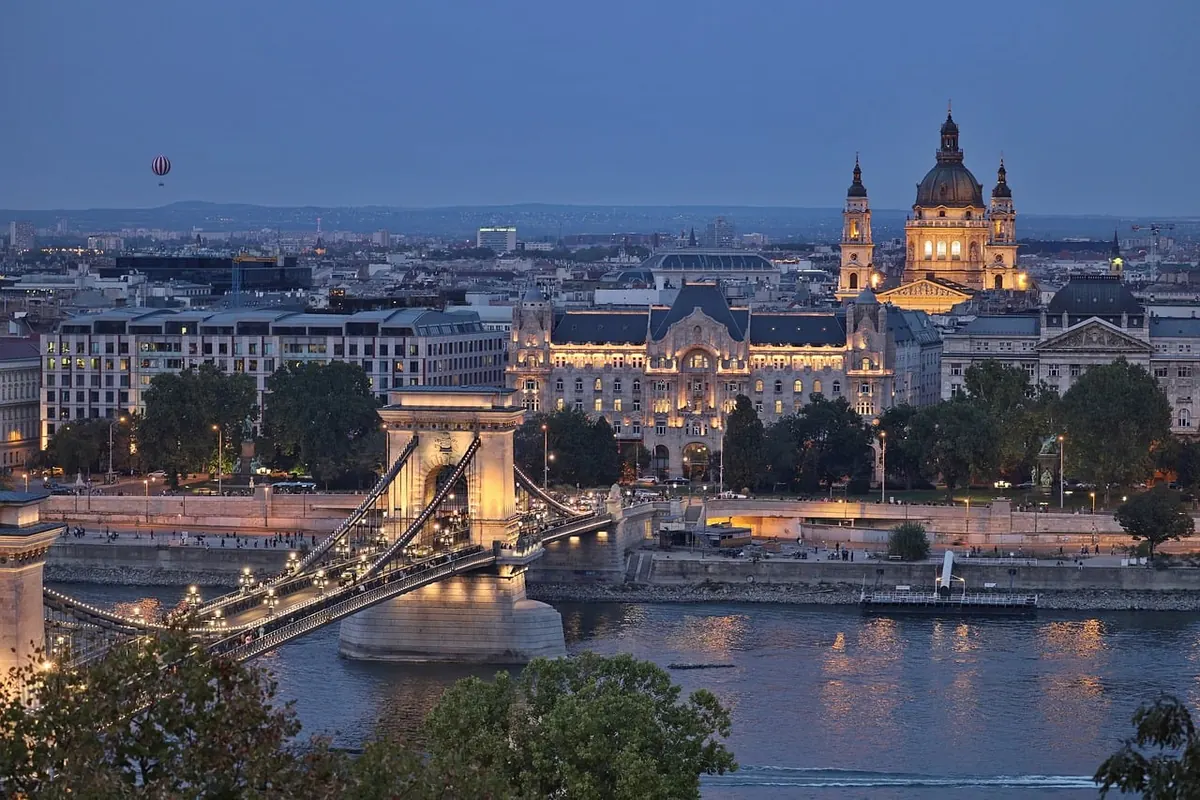
Most people plan an island walk around the bridge itself: the span, the view, the photograph from the middle. The better plan is to build the day around the pauses. A bridge crossing is a fixed piece of effort — twenty minutes, forty, sometimes an hour of open deck with wind on one side and sun on the other — and what you do at either end shapes how the rest of the walk feels.
This guide is organised by situation rather than by name. Island bars change hands, close for a season, or shut at four in the afternoon without warning, so what follows is the pattern to look for: the kinds of stop that exist along almost every bridge route, how to read them quickly, and which ones suit which walking plan.
Start With the Bridge's Shape, Not the Menu
Before you decide where to eat, look at the bridge. A narrow stone span with a handrail and no pavement gives you exactly two options: the ramp you came from and the ramp ahead. Nothing in between. Plan your stop at one of the ends and cross without stopping, especially if you are carrying a bag or walking with someone slower.
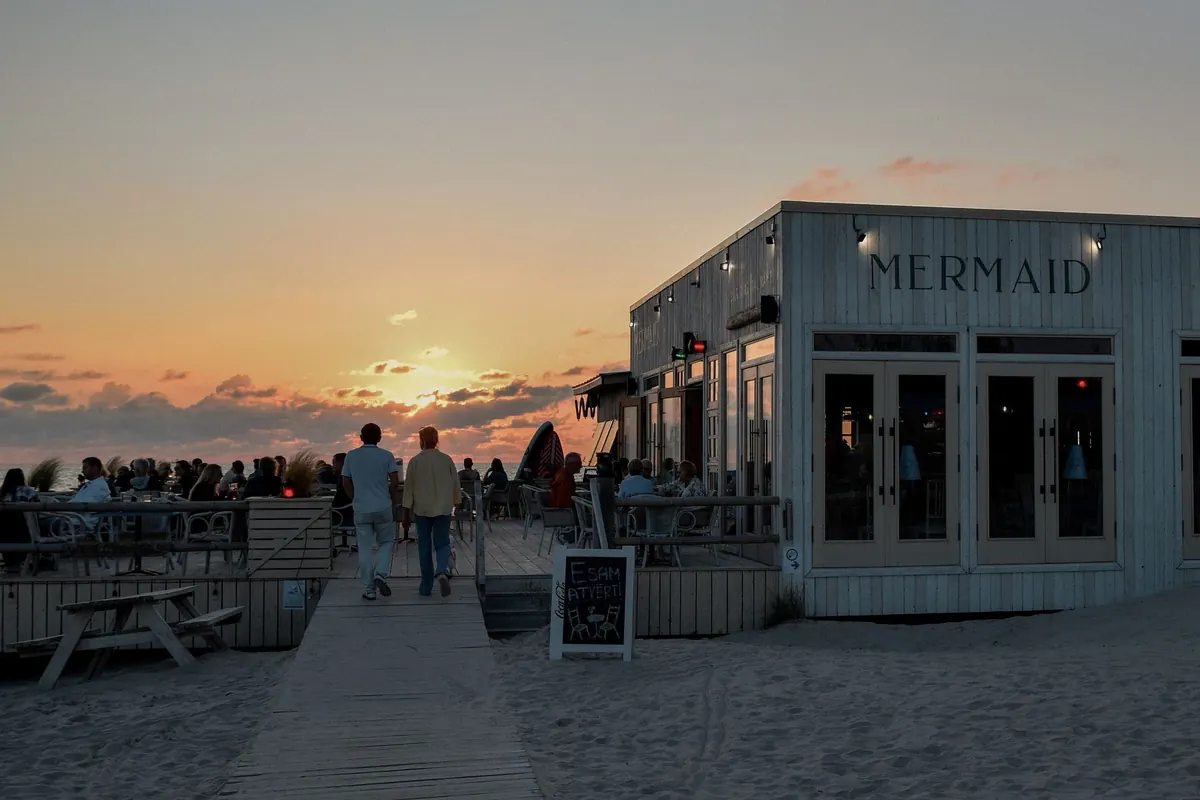
A long viaduct or a promenade bridge is a different proposition. Where the deck is wide enough for people to stand without blocking the flow, you will usually find something — a kiosk, a van with a fridge, a bar set back in a converted boathouse. These are convenience stops, not destinations. Treat them as water and shade, not as lunch.
The useful rule: eat before the crossing or after it, never in the middle. A full stomach and an exposed deck are a poor combination, and the far side almost always has better shade than the middle.
Four Kinds of Bridge-Side Stop
Walk a hundred metres off any island bridge and you will pass through the same four types of place, usually in this order.
- The bridgehead bar. Within sight of the ramp. Fast, busy, built for people who are leaving or arriving. Best for a standing espresso and a pastry before you cross. Sit-down service costs more and takes longer than you think.
- The mid-span kiosk. Cold drinks, granita, ice cream, sometimes a fridge full of water. Excellent in heat, useless for a meal, and often closed in wind or rain.
- The shade pocket. A church porch, a plane tree, an arcade, a public garden bench, a low wall on the north side. Free, quiet, and the best place to eat whatever you bought earlier.
- The proper sit-down lunch. Usually one street back from the waterfront. Better food, better value, fewer people photographing their plates. The first row facing the bridge pays for the view; the second row pays for lunch.
Coffee and the Ten-Minute Rule
An Italian bar is designed for speed. You order at the counter, drink standing, and you are gone. Sitting down turns a one-euro coffee into a three-euro coffee in most towns, and that is a fair trade only when you actually want the chair. If your plan is to keep walking, stand.
Timing matters more than most visitors expect. The bar at the bridgehead will be busiest just before working hours and again mid-morning, when the first groups arrive. Between those waves you can usually find space at the counter and a free bit of shade outside. Mid-afternoon, many small bars are washing the machine and closing the kitchen, so a request for anything elaborate will get a polite shrug.
Order simply: an espresso, a macchiato, a granita if the day is hot. Ask for water alongside it — a small glass usually comes without asking, but not always. Pay attention to whether you pay first at the till or afterwards at the counter; it varies from bar to bar and getting it wrong wastes a minute you could spend drinking.
Lunch Without Losing the Afternoon
There are two sensible lunches on a bridge route, and they serve different walks.
The quick one is a bakery or tavola calda: a slice of focaccia, a filled roll, a small portion of whatever is in the tray. Ten minutes, eaten standing or on a wall, and you are moving again. This is the right choice if you still have two bridges to cross and the light is going.
The long one is a seated meal with a fixed menu and a jug of water, and it will take ninety minutes whether you plan for it or not. That is not a problem if the afternoon is loose. It is a problem if you have a ferry to catch.
Two practical notes. Many island kitchens close in the early afternoon and reopen in the evening, so check the door sign before you build your day around a late lunch. And if you want tap water rather than bottled, ask; in many places it is normal, in some it is not, and nobody minds the question.
Shade, Water and the Middle Hours
Shade on an island bridge is a resource to be planned for, not discovered. Stone churches stay cool inside and their porches stay cool outside. Arcades work. So do the north-facing side of a street, mature trees in a public garden, and the deep shadow under a flyover or railway arch. A wall in full sun with a nice view is not shade, however good it looks at eleven in the morning.
Carry more water than you think you need and refill whenever you pass a fountain. Public fountains on island routes are usually drinkable unless marked otherwise, and locals use them constantly. A light hat, a shirt with sleeves and a bottle are worth more than any gadget.
Avoid planning a long crossing between midday and mid-afternoon in summer. If heat affects you badly — and it affects more people than admit it — move the walk to early morning or evening, and speak to a doctor before planning a longer route.
Matching Stops to Your Walking Plan
- One-hour loop, single bridge. Coffee at the bridgehead before you cross. Nothing in the middle. Walk back on the sheltered side.
- Half day, two bridges. Early coffee, a picnic eaten in a shade pocket at the far end of the first crossing, an ice cream on the return leg.
- Full day, three or more crossings. Sit-down lunch one street back after the second bridge, a second coffee around four, and a strict water habit throughout.
- Walking with children or slower company. Cut one crossing, and plan a proper stop at each end — a bench, a fountain, a bar with chairs. Distance matters less than the promise of the next sit-down.
- Windy or off-season days. Choose the indoor bar on the leeward side, order something hot, and give yourself permission to shorten the route.
Before You Set Out
Check three things the evening before: whether the bridge you want is open to pedestrians, roughly when the bars and kitchens in the area close, and where the nearest fountain sits on your route. Write the middle one down, because signage is unreliable and staff are too busy to be a directory.
Then keep the plan loose. The best stop on any bridge route is usually the one you did not plan — a bench in the shade with a view of the span you have just crossed, five minutes longer than you meant to stay. Build in the time for it, and the day takes care of itself.
Photo: Margo Evardson / Pexels